
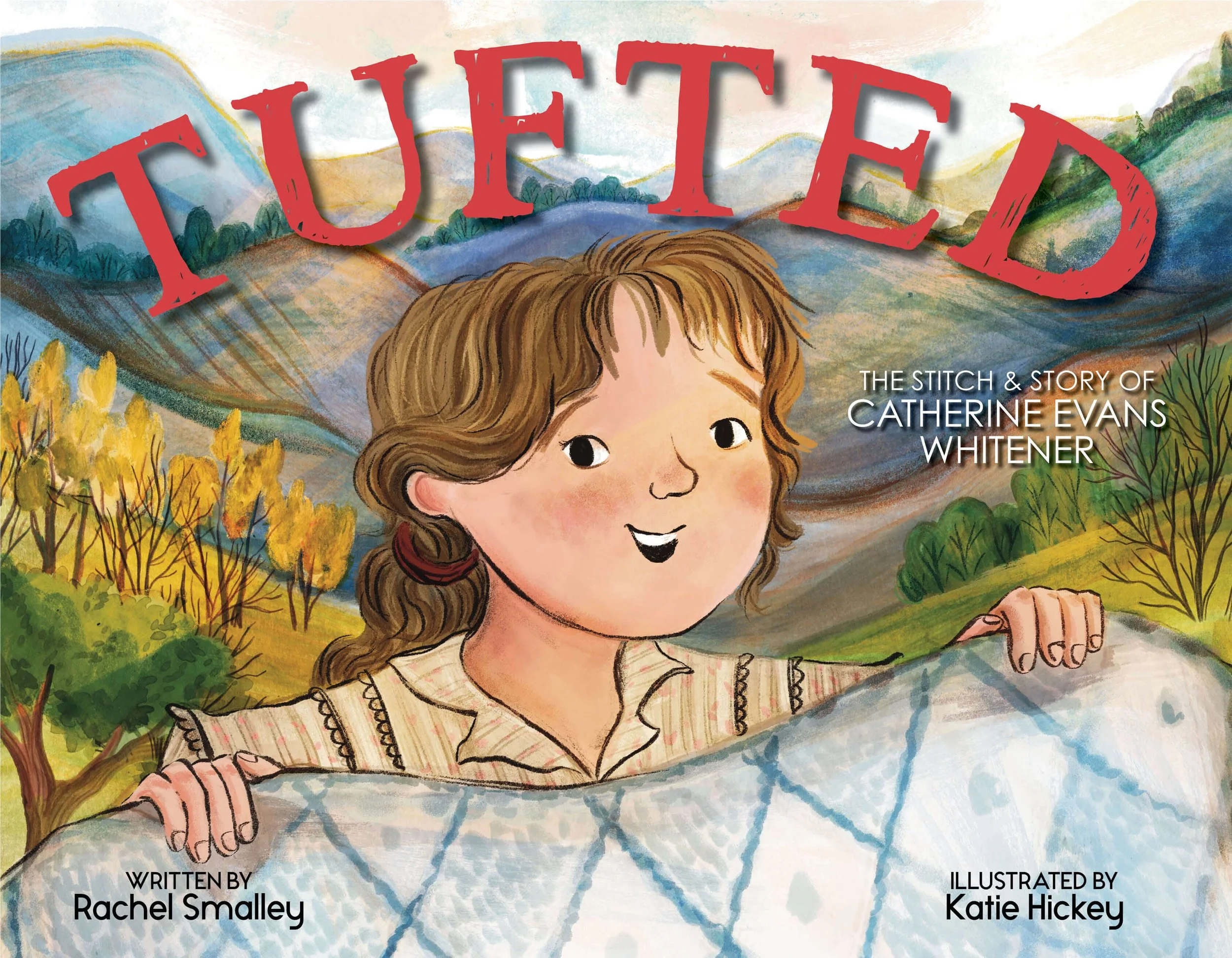
EVERY STITCH TELLS A STORY
TUFTED:
The Stitch & Story of
Catherine Evans Whitener
From Appalachia comes the true story of how one girl’s ingenuity helped transform a region.
At fifteen, Catherine Evans Whitener set out to recreate a candlewick bedspread she had admired years earlier. With cotton she picked herself, flour-sack cloth, hand-spun yarn, a borrowed needle, and no pattern to follow, she taught herself one stitch at a time.
Catherine shared what she learned, helping other Appalachian women turn their handwork into wages. What began with one bedspread grew into a thriving cottage industry. Dalton became the Bedspread Center of the World, and when demand outpaced what hands alone could make, machinery and innovation carried the industry forward into carpet.
The foundation of the Carpet Capital of the World was sewn by a girl.
TUFTED: The Stitch & Story of Catherine Evans Whitener

Essential
Book
Details
Author
Rachel Smalley
Illustrator
Katie Hickey
Publisher
Hillbetty Books
Format
Hardcover
Page Count
56 Pages
Age Range
Ages 7-12
Publication Date
August 18, 2026
Trim Size
11x8.5 Inches
ISBN
979-8-9942310-0-5
Know Her Name
Rachel first heard Catherine’s name while helping launch an art program at Westwood Elementary School, where her children were students. The program introduced them to Dalton’s history and invited the students to create art inspired by what they learned.
Through the program, Rachel learned about the teenager who taught herself to tuft a bedspread and quickly realized the threads of the Carpet Capital of the World unravel all the way back to a girl named Catherine Evans Whitener. The place and industry shaped by this young Appalachian entrepreneur’s ingenuity would become recognized around the world, yet the name of the woman who helped spark it remained largely unknown.
The billion-dollar floor covering industry reveals the scale of Catherine’s impact, but her true legacy is found in the opportunities she created for others.
A century later, millions of people experience the legacy Catherine helped create, yet few can say her name. Rachel hopes TUFTED will help change that.
Know her name.
Who Was Catherine Evans Whitener?
Smart. Tough. Faithful. Generous.
Appalachian to the bone.
Go ahead, pull the thread. Dalton, the Carpet Capital of the World, unravels all the way back to Catherine Evans Whitener.
This is not a fairy tale. This is Appalachia.
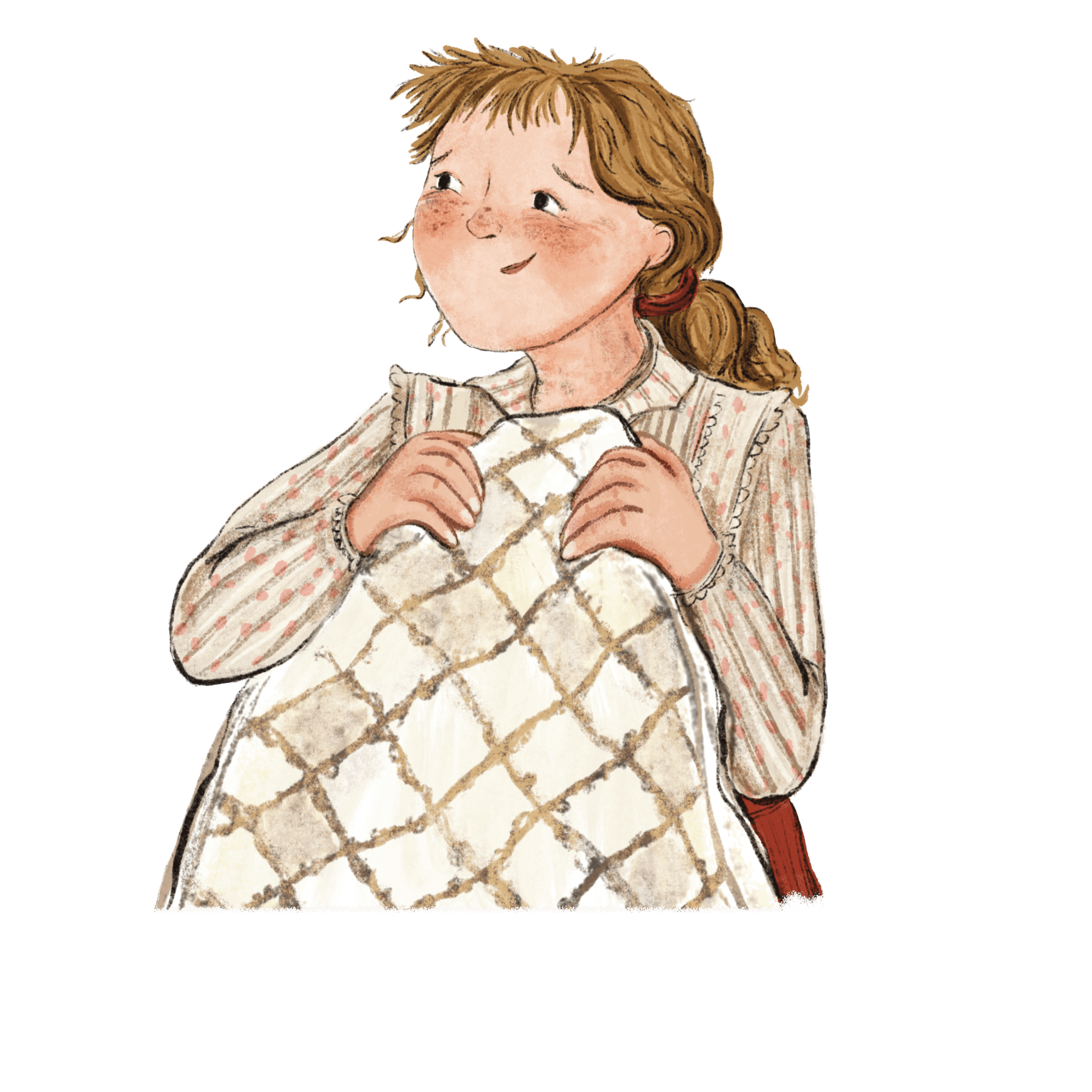
Catherine grew up in a dogtrot log cabin in Northwest Georgia. She learned early to work hard and make the most of what she had. At twelve, she saw a white candlewick coverlet covered in raised tufts and asked the question that would change her life: How was this made?
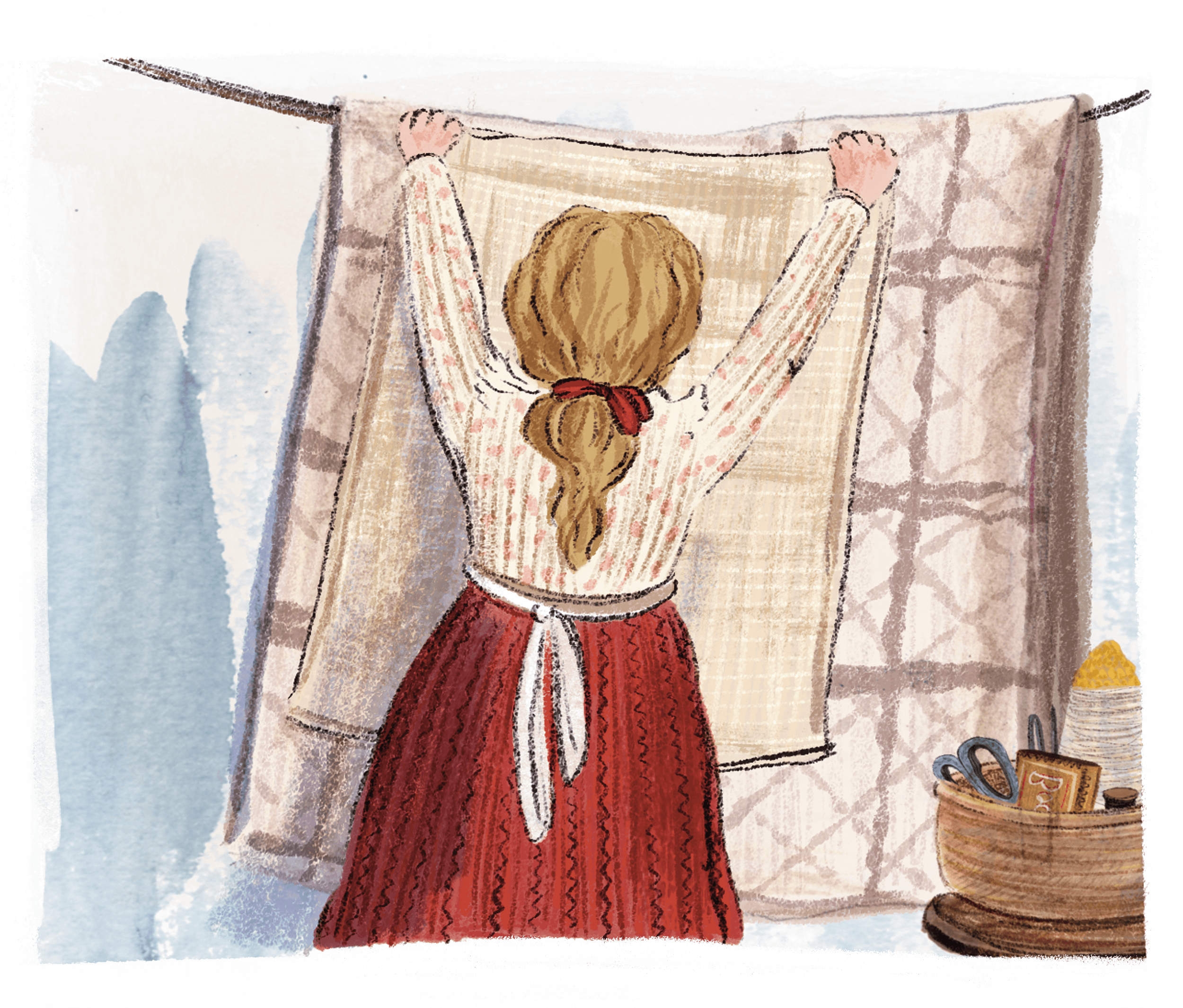
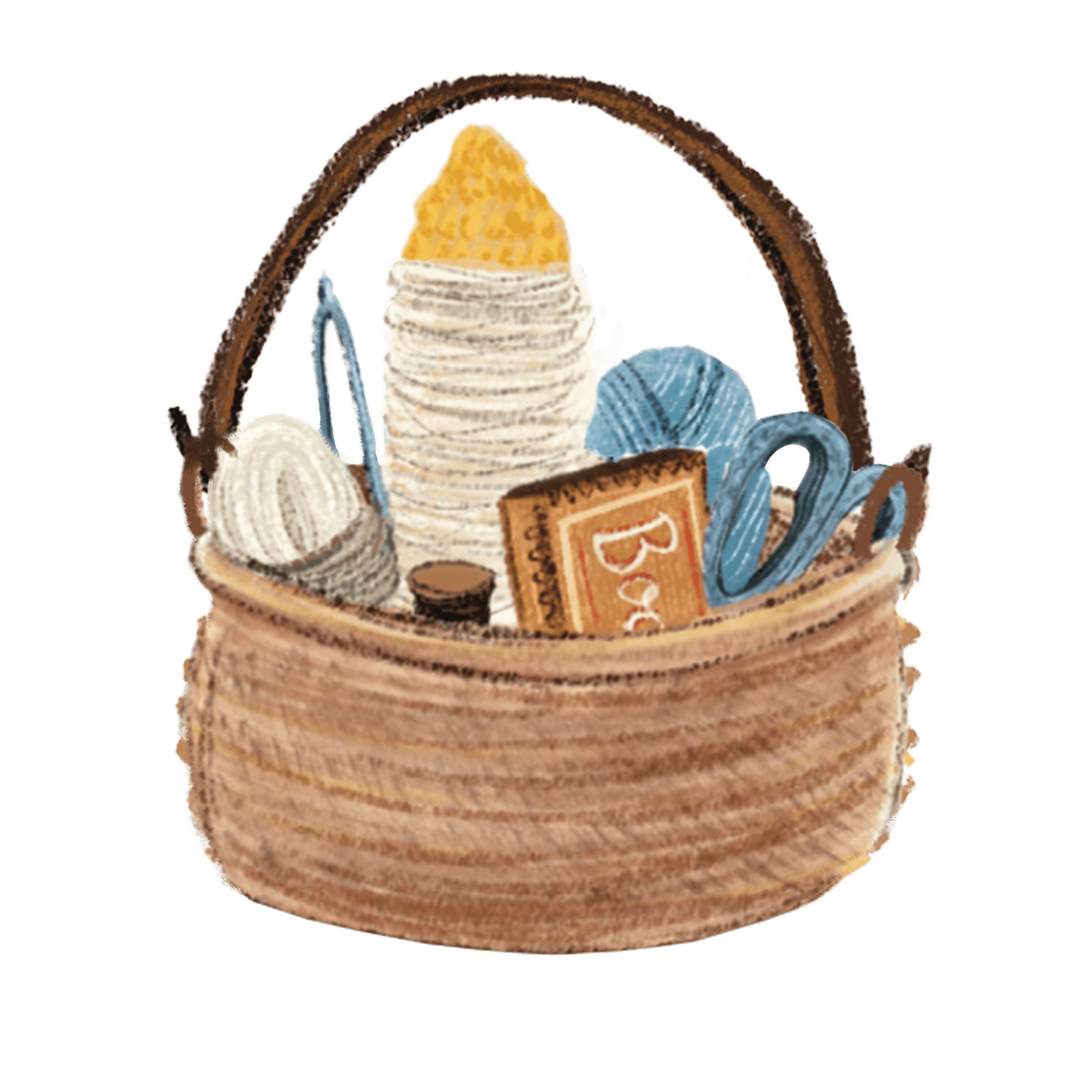
There was no pattern to follow and no teacher who could show her. She returned to study the family heirloom, sewed cotton flour sacks together for backing, spun cotton into yarn, and borrowed an oversized bodkin needle from her mother’s sewing basket. After her chores, she stitched by firelight, made mistakes, and tried again until she mastered and reinvented the stitch she called tufting because the raised loops reminded her of little tufts of grass.
Catherine did not wait for perfect circumstances. She used what she had, learned through trial and error, and kept working until she succeeded. The one thing she never made was an excuse.
Soon, family members, neighbors, and customers wanted bedspreads of their own. Catherine handcrafted a livelihood in a time when women had few ways to earn money, then taught the women around her to tuft. She shared patterns, offered advice, and believed there was enough work for everyone.
The craft spread from one front porch to another. Women tufted, sewed, trimmed, washed, finished, designed, sold, and delivered bedspreads. Their work became household income, business ownership, and regional industry. What began in one girl’s hands grew far beyond them—but the thread still leads back to her.
The foundation of the Carpet Capital of the World was sewn by a girl.
The foundation of the Carpet Capital of the World was sewn by a girl.
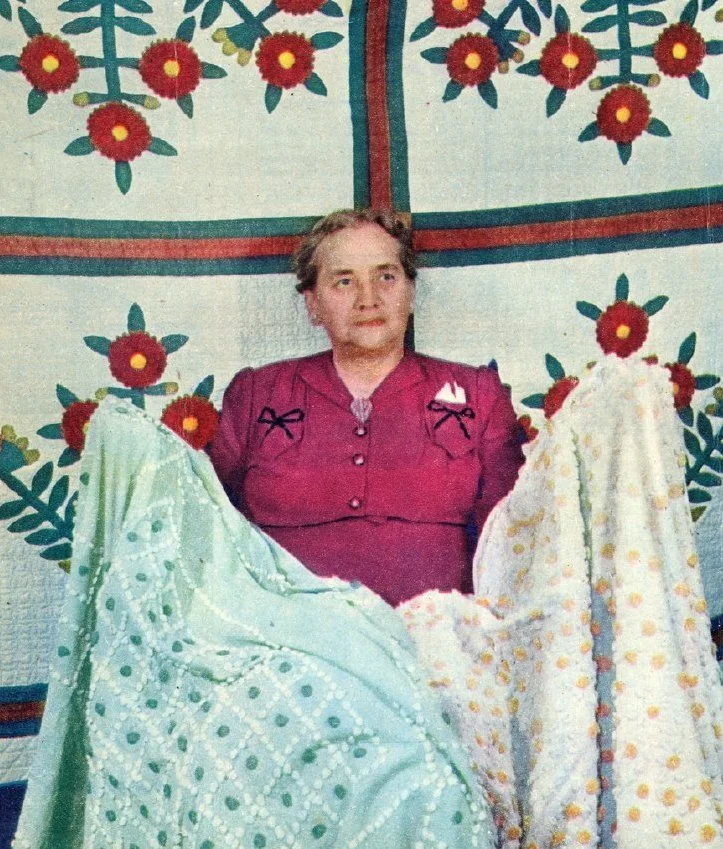
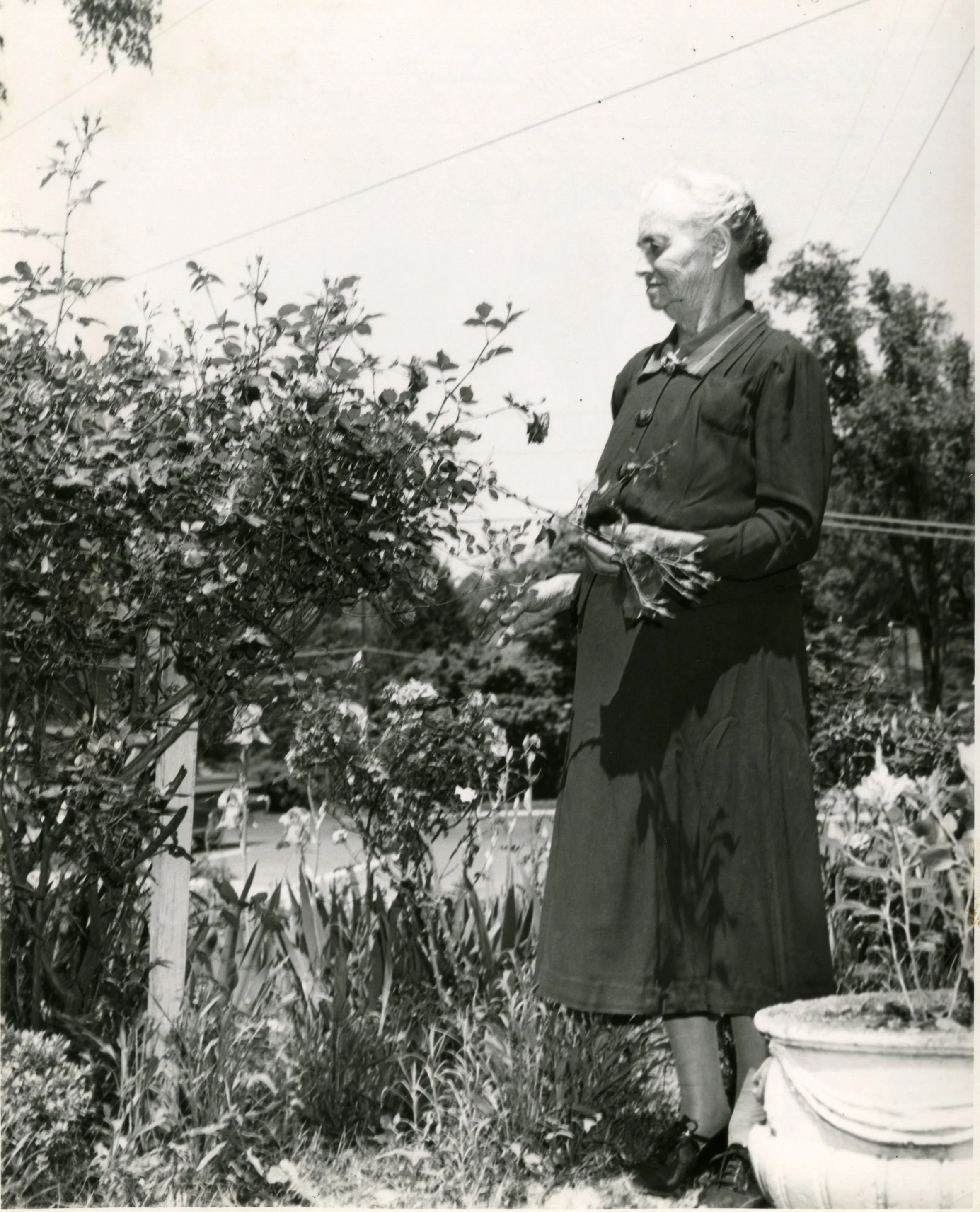
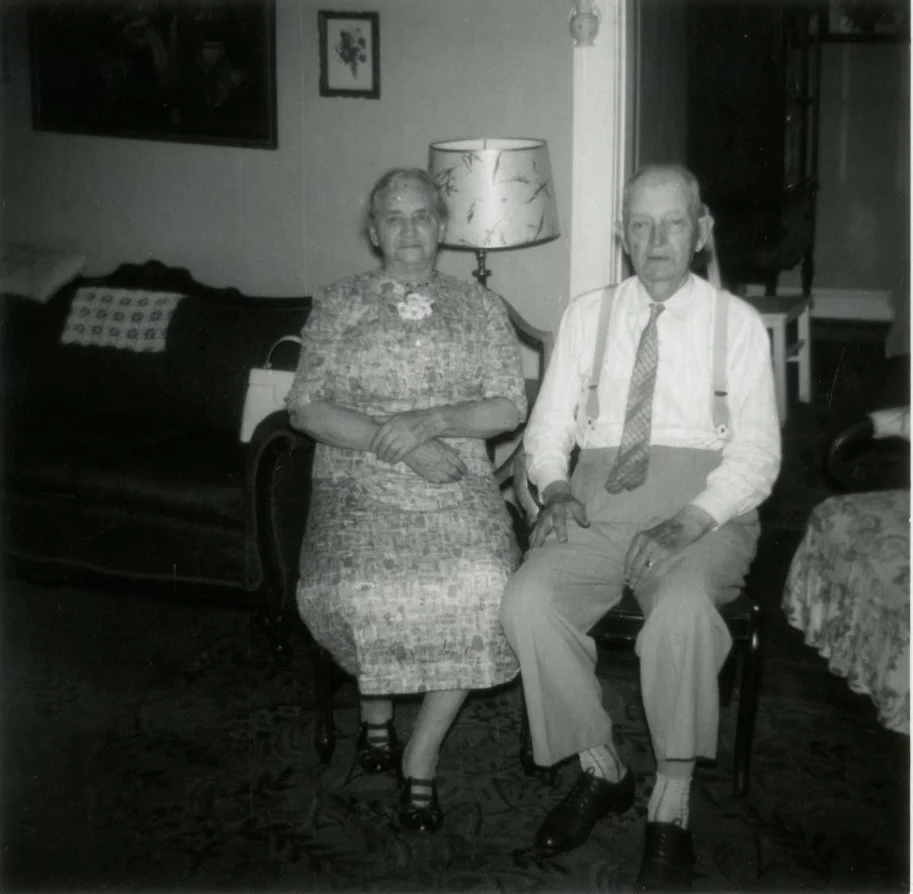
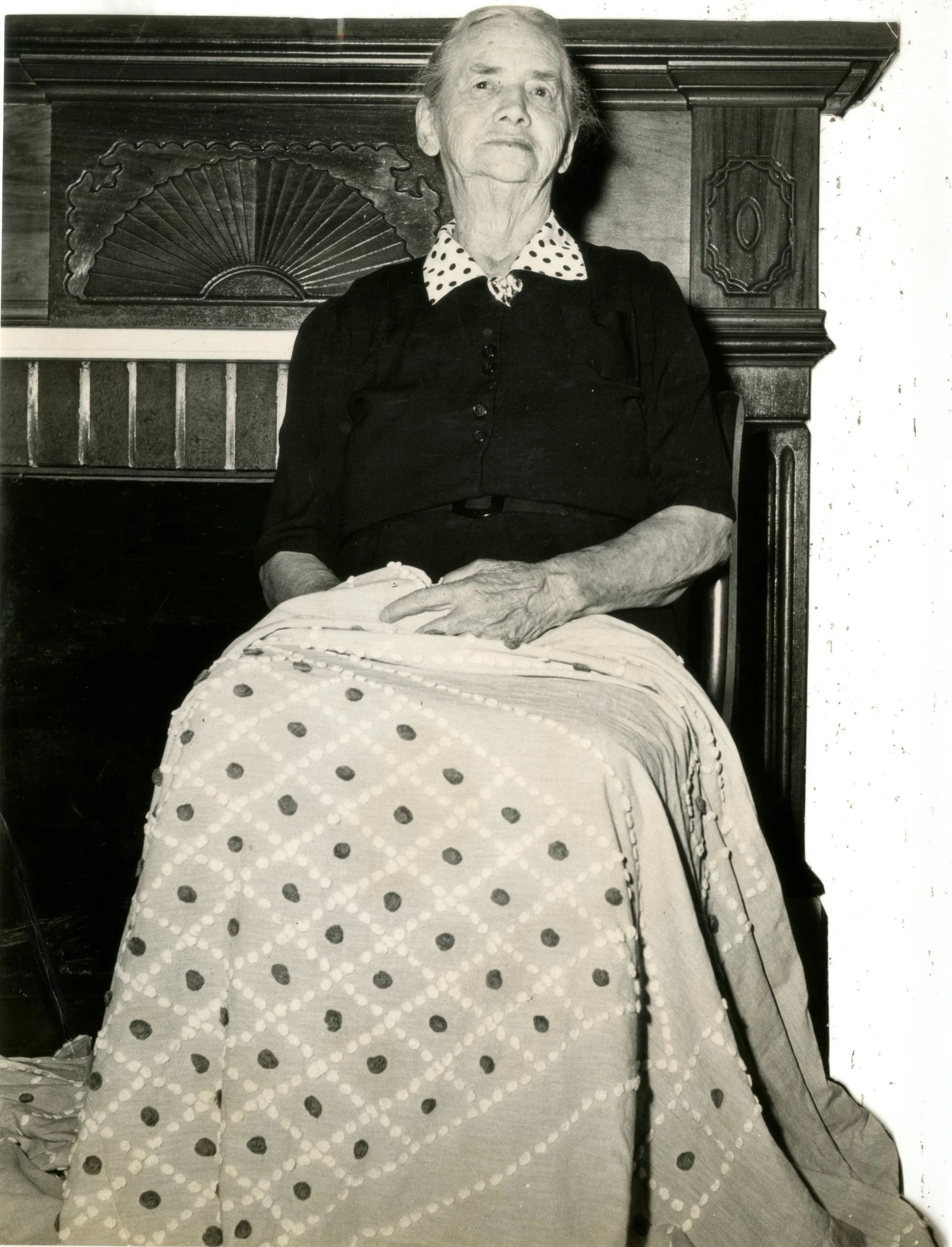
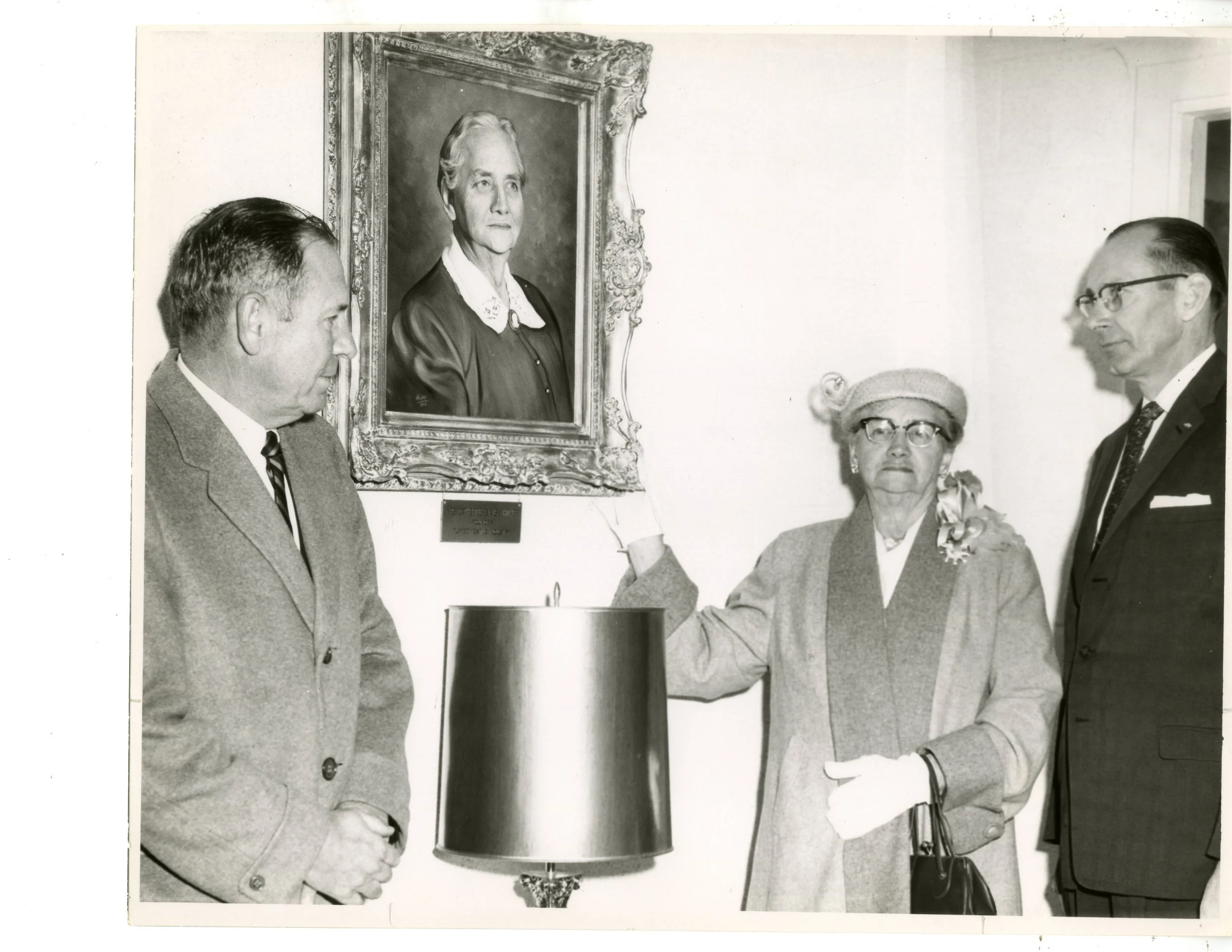
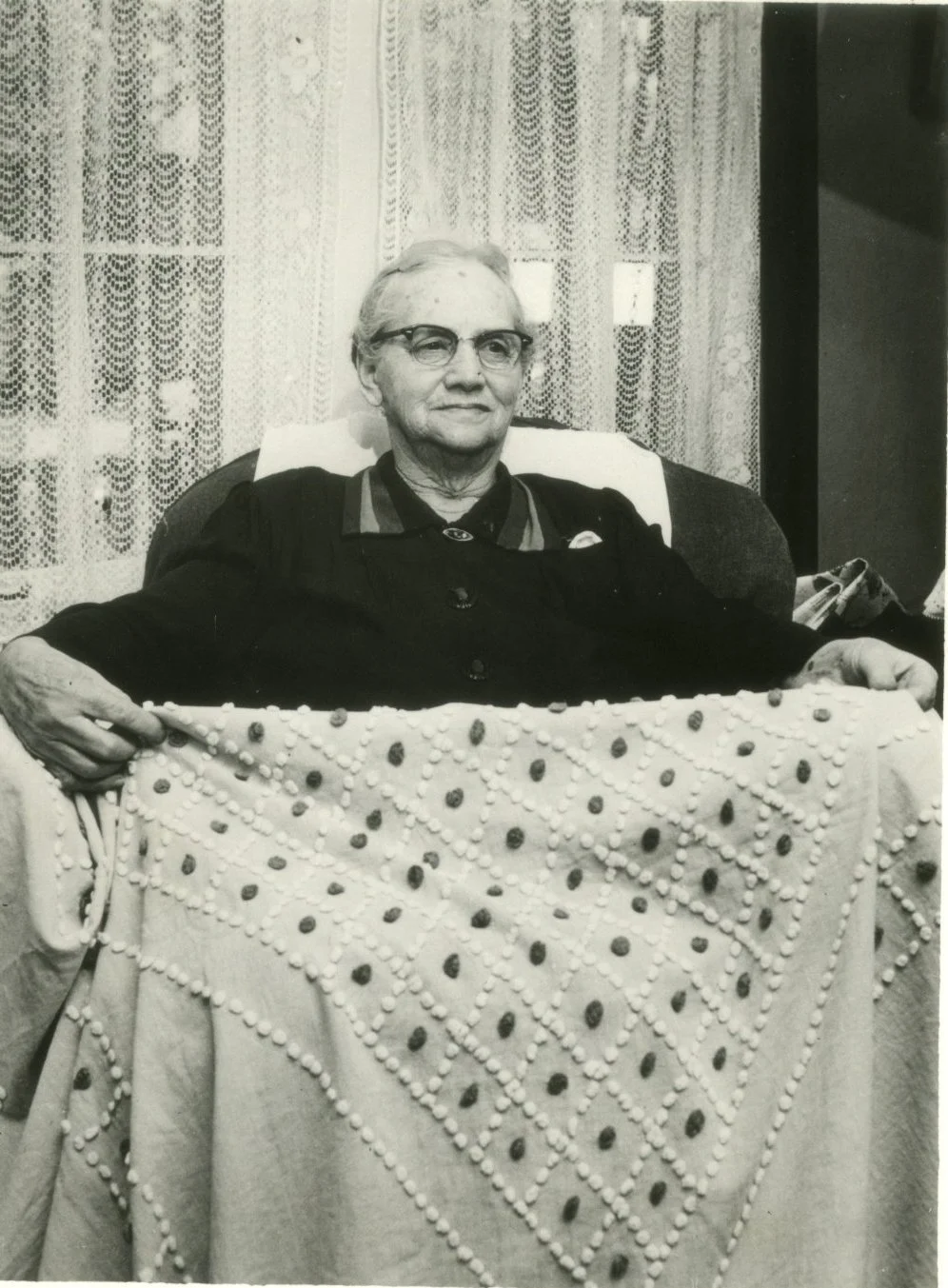
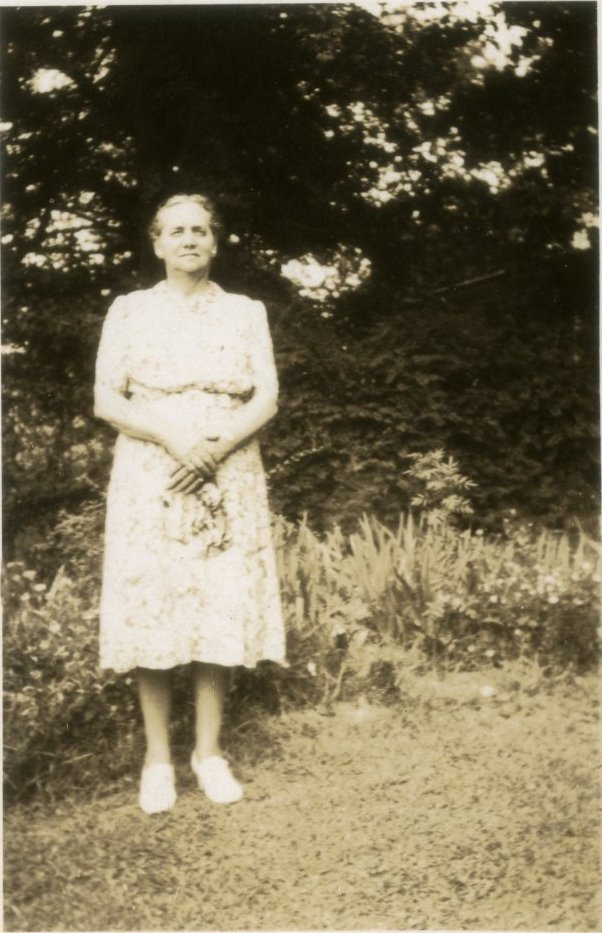
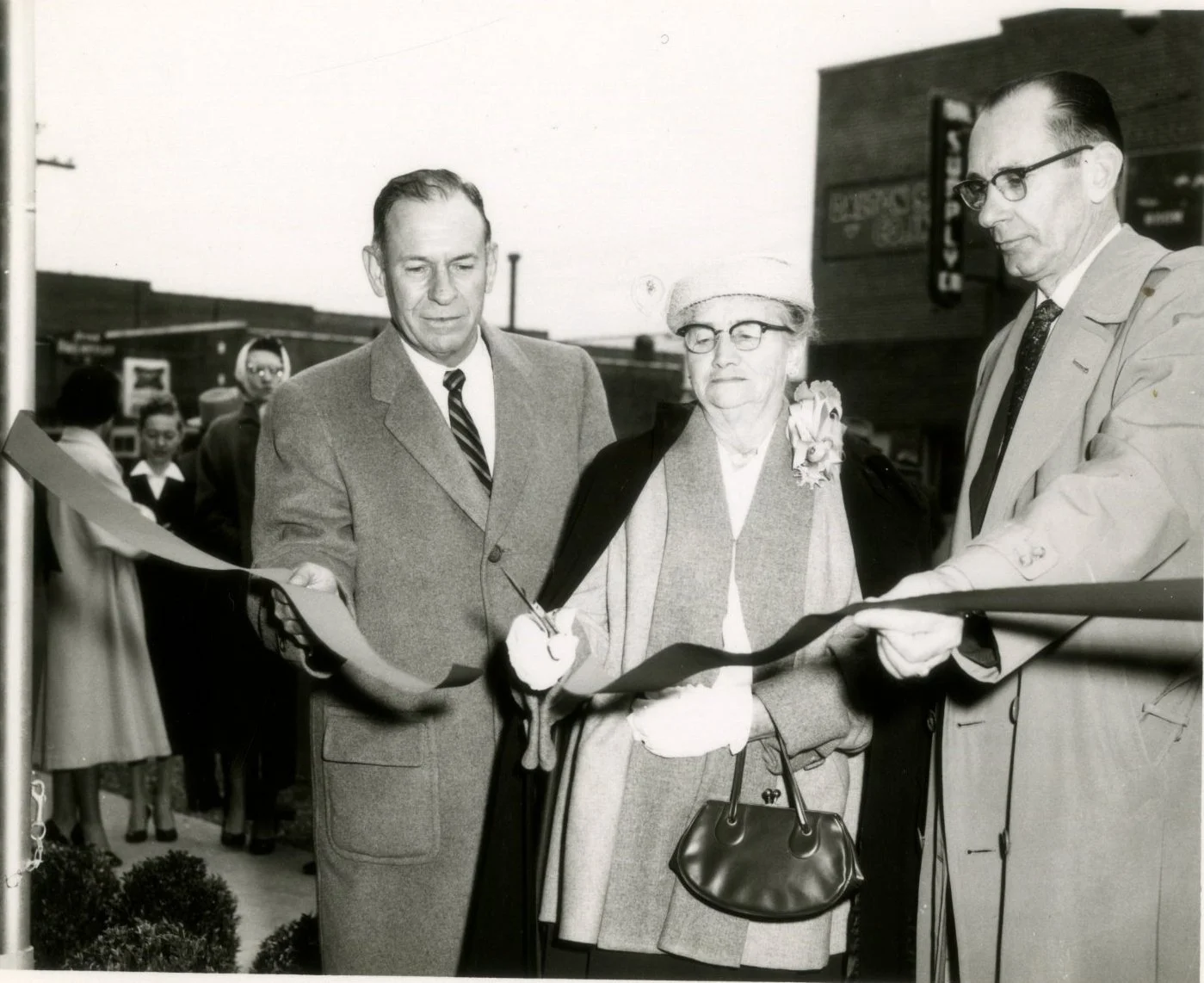
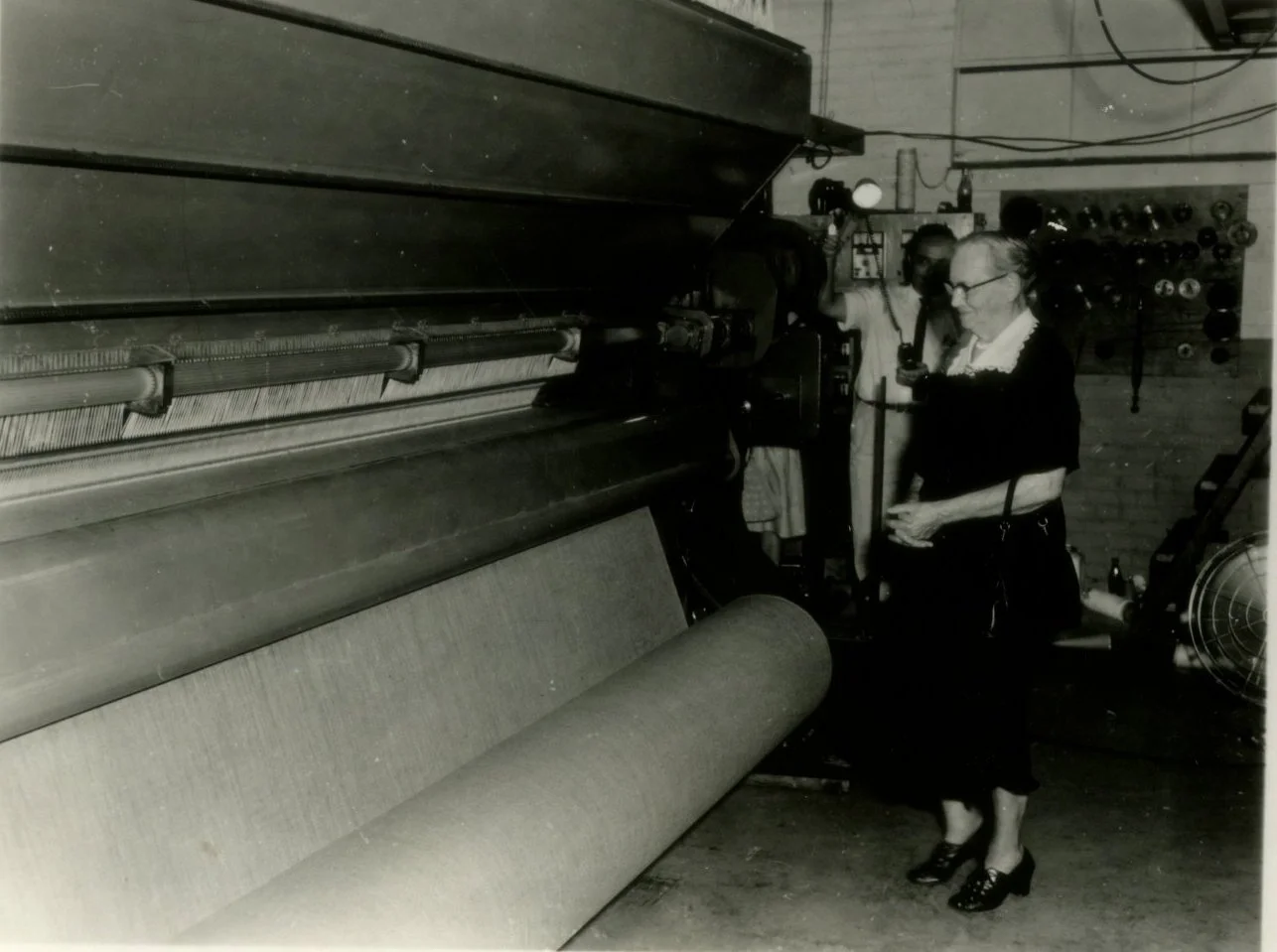
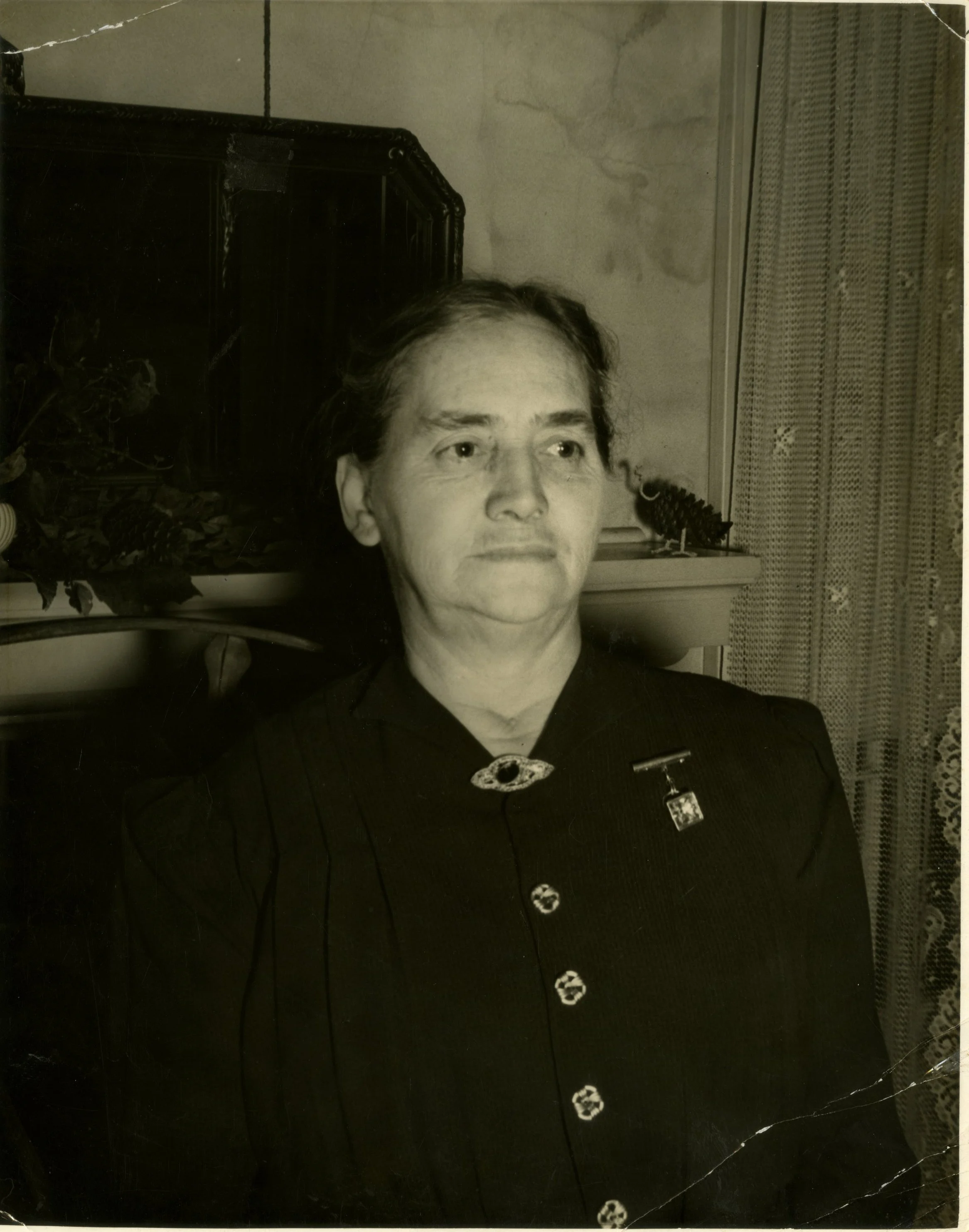
Photos courtesy of the Bandy Heritage Center
WHY CATHERINE'S STORY MATTERS
Because Children Cannot Take Pride in Stories They Never Hear
Walk into almost any building in America, and you may be standing on Dalton’s story. Millions of people encounter the region’s carpet every day. Few know that the story reaches back to a young Appalachian girl who looked closely at a bedspread and asked how it was made.
Catherine’s story matters because history so often overlooks women, domestic work, rural communities, and the people whose ideas begin outside formal institutions. TUFTED places a woman back into the history she helped make.
It matters because the work expected of girls—sewing, patterning, making, teaching, and working from home—became the seed of a regional economy. Her story asks a quiet but powerful question: What else have we been calling small that is not?
It matters because Catherine did not keep what she learned to herself. She taught neighbors, shared patterns, and handed opportunity along as though it was made to be shared. In a world full of stories about getting ahead, hers is about bringing people with you.
Appalachian children deserve to know that their region produced a pioneering entrepreneur. Every child deserves to know that curiosity, grit, generosity, and persistence can go toe to toe with privilege.
FROM LOCAL HISTORY TO PICTURE BOOK
Why Rachel Wrote TUFTED
Rachel first encountered Catherine’s story while helping launch an art program at Westwood Elementary School, where her children were students. The program introduced children to Dalton’s history and invited them to create art inspired by their community.
When Rachel heard about the teenage girl who taught herself to tuft a bedspread and helped set Northwest Georgia’s chenille and carpet industries in motion, her response was immediate: This needs to be a picture book.
Life was full, and the idea waited. Catherine’s story remained tied to Rachel’s memories of her Granny Freeman, her love of Appalachian history, her years in the classroom, and her long-held dream of writing a picture book. Years later, when the story still had not been told for young readers, Rachel understood that she felt called to tell it.
What began as a remembered local story became a years-long commitment to research, writing, revision, collaboration, and publishing.

A CALLING IS NOT THE SAME THING AS A SET OF INSTRUCTIONS
Behind the Book
Catherine stitched her way into history without a pattern. More than a century later, Rachel followed the thread, learning with each new draft how to weave the history into a picture book.
She joined the Society of Children’s Book Writers and Illustrators, attended conferences, took classes, and worked with a writing coach and professional editors. She studied stacks of picture book biographies as mentor texts, paying attention to structure, pacing, language, page turns, and the relationship between words and pictures. She discovered that a shorter book is not an easier book. Fewer words simply give each one fewer places to hide.
The facts were only the beginning. The harder work was finding the heart of the story, keeping Catherine at the center, and helping young readers understand all that followed from one hand-tufted bedspread: the women she taught, the work they did from home, the growth of a cottage industry, Dalton’s rise as the Bedspread Center of the World, and the technology that later helped build the modern carpet industry.
Rachel interviewed Catherine’s great-niece and learned that the family called her Cathy, the name young readers meet in the book. She worked with historians at the Whitfield-Murray Historical Society and the Bandy Heritage Center, listened to local knowledge, studied artifacts and records, and invited experienced historians to tell her where the manuscript rang true and where it misfired.
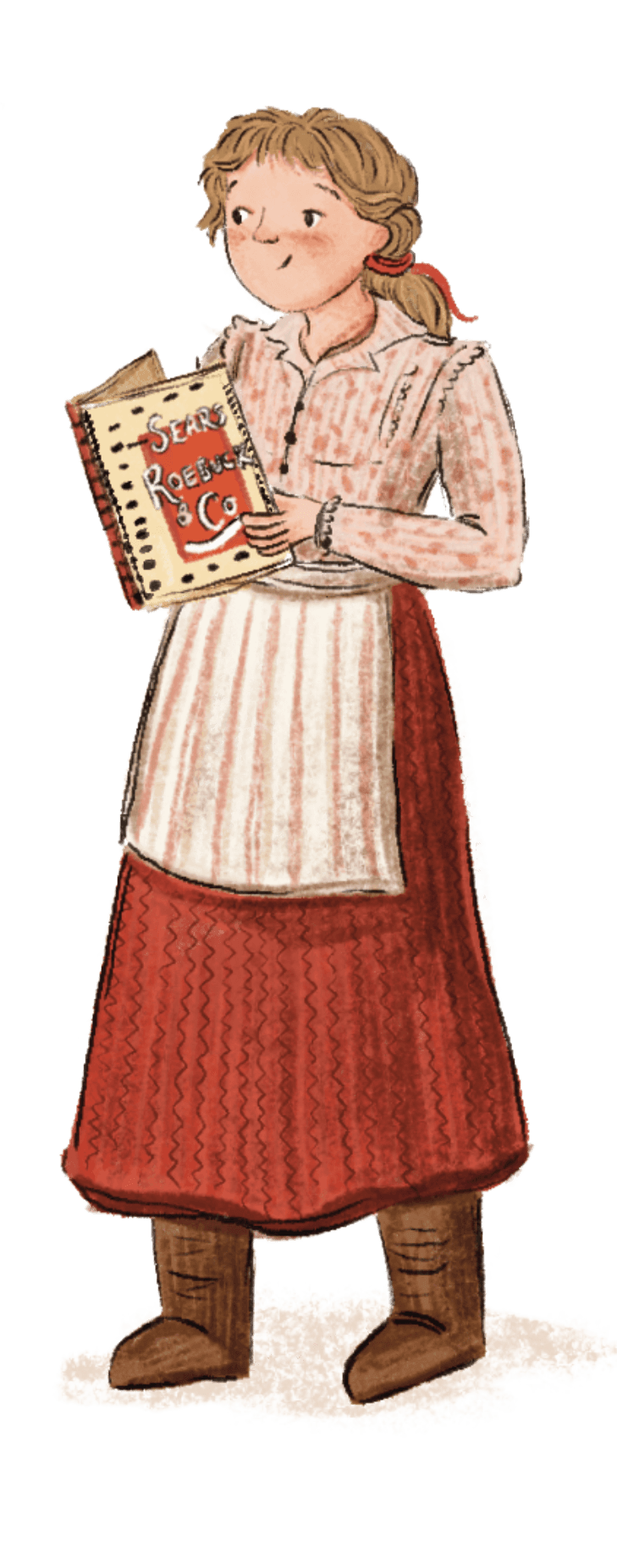
To build an accurate visual world, Rachel created an extensive research deck and a spread-by-spread art guide for illustrator Katie Hickey. She gathered photographs, maps, timelines, textile patterns, clothing references, tools, architecture, machines, advertisements, and the ordinary details that make the past feel inhabited rather than merely explained.
TUFTED took shape slowly, the way lasting things often do: through study, humility, many helping hands, and a willingness to keep working until the story felt not only told, but honored.

Long after the reader finishes sharing the text on a page, the listener should still be reading the illustrations.
Long after the reader finishes sharing the text on a page, the listener should still be reading the illustrations.
WOVEN TOGETHER: THE VISUAL TAPESTRY OF TUFTED
Inside the Book
Katie Hickey is a freelance illustrator working from her home studio in Surrey, England. Her characterful, atmospheric illustrations combine hand-drawn and painted elements with layered digital techniques, bringing narrative and informational storytelling together.
The illustrations for TUFTED grew from an unusually detailed collaboration. Rachel catalogued historical photographs, archival advertisements, textile patterns, maps, tools, machines, clothing references, architectural details, and images of the Northwest Georgia landscape. Katie transformed that research into a warm, richly layered visual narrative with movement, humor, atmosphere, and emotional depth.
The book’s wide landscape format carries readers from quiet, intimate moments to sweeping historical change: Catherine studying a bedspread, teaching herself to tuft, sharing the craft with other women, filling orders, and watching a handmade tradition grow far beyond her own hands.
The visual storytelling rewards readers who linger. Historical references and playful details are tucked throughout the book: a suffrage daisy, a Cherokee Trail Tree, pigs that nod to a family story about Cathy, Catherine’s pencil-sketched bedspread patterns, and flour sacks that connect the material world of the story to local history.
Book designer Marci Senders brought Rachel’s text, Katie’s illustrations, archival references, typography, patterns, endpapers, and back matter into one cohesive reading experience. The pacing of the page turns and the 11-by-8.5-inch landscape format allow the book to hold both the intimate story of one young maker and the much larger transformation that followed her work.
Together, Rachel’s research and visual direction, Katie’s artistic interpretation, and Marci’s design make the scale of Catherine’s influence visible. Readers can watch one stitch become a bedspread, a bedspread become work, and that work become part of an industry.

LEARNING CONNECTIONS
One Book. Many Threads.
TUFTED is a picture book biography, but Catherine’s story opens naturally into many areas of learning. It gives young readers a way into Appalachian and Georgia history through a real person, a real community, and an object they can see and understand.
It also shows how history survives through handmade objects, family memories, photographs, work, and the stories communities choose to preserve. In many classrooms, Catherine’s story may even be read aloud on a story rug—a piece of tufted carpet beneath the children’s feet. It is a fitting connection: the industry that grew from her first stitches becomes part of the very place where a new generation hears her story.
Nonfiction comprehension, biography, sequencing, cause and effect, vocabulary, author’s purpose, research, and the relationship between words and illustrations.
Reading and writing
Materials, tools, cotton, dye, shrinkage, pattern transfer, measurement, design, engineering, mechanization, and problem-solving.
STEAM and innovation
Appalachian history, Georgia history, women’s history, labor, community development, regional identity, and the journey from the Bedspread Center of the World to the Carpet Capital of the World.
History and place
Pattern, repetition, symmetry, color, texture, textile design, illustration, and the ways art helps communicate history.
Art and visual storytelling
Demand, household income, cottage industry, production, specialization, training workers, and the growth of a handmade product into a business.
Entrepreneurship and economics
Learning to read history through interviews, family stories, photographs, tools, textiles, advertisements, and objects passed from one generation to the next.
Oral history and material culture

Bring TUFTED Home
TUFTED is $19.99 online, plus applicable tax and shipping.
Orders are currently available for delivery within the United States.